Children’s Fashion: Simple Ways to Style Everyday Outfits
Getting children dressed can feel like a surprisingly complicated part of the morning. Between rapidly changing preferences, unpredictable weather, and clothes that seem to become too small overnight, putting together a practical wardrobe isn’t always easy.
But children’s fashion doesn’t have to involve overflowing drawers or constantly buying new outfits. In fact, some of the most stylish looks come from a relatively small collection of comfortable, versatile pieces that work well together.
That’s where the idea of a mini capsule wardrobe comes in.
By focusing on wearable colors, thoughtful combinations, and clothing that suits a child’s daily activities, parents can create a wardrobe that feels both fashionable and manageable.
The result? Less time searching for matching outfits, fewer unnecessary purchases, and more room for children to develop their own sense of style.
What Is a Kids’ Capsule Wardrobe?
A capsule wardrobe is a carefully selected collection of clothing designed to be mixed and matched.
Instead of buying individual outfits that only work in one combination, the idea is to choose pieces that complement several others.
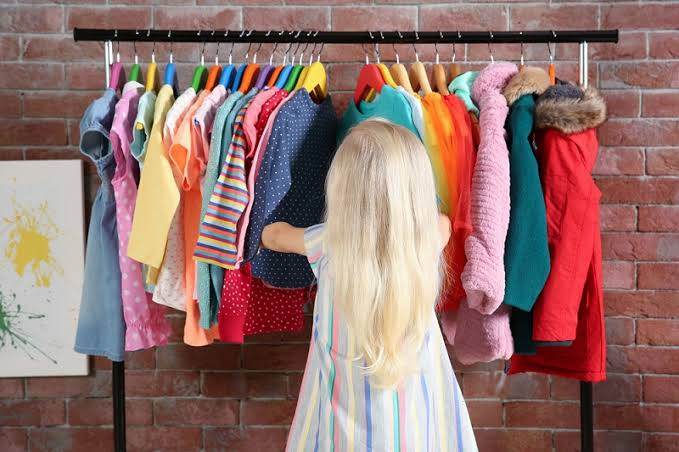
For children, this might mean a handful of comfortable trousers, versatile tops, a couple of layering pieces, and appropriate outerwear.
The exact number of garments isn’t particularly important. What matters is that the clothes work together and reflect the child’s lifestyle.
A child who spends most afternoons climbing, running, and exploring needs different clothing from one who regularly attends formal events.
The wardrobe should support those activities rather than simply look attractive in photographs.
Start With a Color Palette That Works
One of the easiest ways to create a coordinated wardrobe is to choose a simple color palette.
Neutral colors such as cream, navy, grey, beige, and soft brown provide a useful foundation because they combine easily with brighter shades.
However, a children’s wardrobe doesn’t need to look muted or overly sophisticated.
Adding two or three playful accent colors can give it personality.
For example, a wardrobe built around navy, cream, and sage green might include cheerful orange or yellow accents.
Alternatively, softer combinations of dusty pink, lavender, and warm beige can create a different aesthetic.
The goal is not to restrict creativity but to make everyday outfit combinations easier.
When most items coordinate naturally, children can participate in choosing their clothes without every outfit becoming a complicated styling exercise.
Build Around Comfortable Everyday Basics
The foundation of a practical children’s wardrobe is a collection of everyday essentials.
Soft T-shirts, relaxed trousers, leggings, sweatshirts, and comfortable knitwear are often among the most frequently worn items.
Rather than focusing exclusively on appearance, consider how each piece feels during normal activities.
Can the child sit comfortably on the floor? Is there enough room to run and climb? Does the waistband remain comfortable throughout the day?
Soft fabrics and flexible cuts can make a significant difference.
A stylish outfit loses much of its appeal if the child constantly needs to adjust it or complains about uncomfortable seams.
When choosing basics, it’s also worth considering how easily the clothing can be washed and maintained.
Children’s clothes are made to be lived in, which means occasional stains and frequent washing are inevitable.
Find Inspiration Without Following Every Trend
Fashion inspiration is everywhere, from Pinterest boards and Instagram posts to online clothing collections.
It’s easy to become interested in every new trend, but children’s wardrobes benefit from a more selective approach.
Instead of purchasing something simply because it’s fashionable, consider whether it fits the child’s existing wardrobe.
A well-chosen striped sweatshirt, for instance, can work with jeans, leggings, or a casual skirt.
Parents looking for everyday clothing inspiration can explore collections from retailers such as Name IT, whose Dutch online store features clothing for babies and older children.
Browsing different outfit combinations can help identify useful colors, silhouettes, and layering ideas.
However, inspiration doesn’t need to result in an immediate purchase.
Sometimes looking at new collections simply reveals fresh ways to combine clothes already hanging in the wardrobe.
Master the Art of Layering
Layering is one of the most useful styling techniques for children’s clothing.
It allows outfits to adapt to changing temperatures while creating additional visual interest.
A simple T-shirt can look completely different when worn beneath a cardigan, an open shirt, or a lightweight jacket.
Similarly, a knitted sweater can add texture to an outfit built around basic trousers and sneakers.
For autumn, consider combining a long-sleeved top with a comfortable overshirt or cardigan.
During winter, suitable insulating layers and weather-resistant outerwear become more important.
In warmer months, breathable clothing and lighter combinations are generally more practical.
The key is to ensure that children remain comfortable and can remove or add layers when necessary.
Five Easy Outfit Formulas for Kids
You don’t need endless clothing options to create different looks.
A few reliable combinations can form the basis of an everyday wardrobe.
- The relaxed everyday look
Combine comfortable jeans or soft trousers with a simple T-shirt and sneakers. Add a sweatshirt when the weather gets cooler.
- The playful layered outfit
Choose a long-sleeved top, relaxed trousers, and an open cardigan. Mix a neutral base with one colorful accent.
- The weekend adventure look
Pair flexible joggers with a comfortable sweater and practical outdoor shoes. The priority is freedom of movement.
- The slightly dressed-up outfit
A knitted top with chinos, or a casual dress with tights and a cardigan, can work well for family gatherings.
- The colorful statement outfit
Let one bold piece take center stage. Patterned trousers, a bright sweatshirt, or a playful print can be combined with simpler basics.
These formulas can be adjusted according to the season, the child’s preferences, and the clothing already available.
Let Children Develop Their Own Style
One of the most enjoyable aspects of children’s fashion is watching their personal preferences emerge.
Some children love bold colors and imaginative prints, while others gravitate toward a few favorite pieces.
Allowing children to make age-appropriate clothing choices can make getting dressed more enjoyable.
Parents might offer two or three weather-appropriate outfits and let the child decide which one to wear.
Older children can participate in choosing colors, combining pieces, or identifying what they find comfortable.
Not every outfit needs to match an adult’s preferred aesthetic.
A combination of stripes, bright socks, and patterned trousers might not look like something from a fashion editorial, but it may represent the child’s personality perfectly.
Personal style is about expression, not achieving a flawless appearance.
Pay Attention to Fit and Fabric
Children’s clothing should fit the child they are dressing today, not just the size listed on the label.
Size charts can vary between manufacturers, and children of the same age may have very different proportions.
A little growing room is sensible, but clothing that is excessively large can become uncomfortable or interfere with movement.
Likewise, garments that are too tight may restrict play or feel unpleasant after several hours.
Fabric matters just as much.
Cotton is commonly used for everyday clothing, while stretchy blends can offer additional flexibility.
Knitwear and fleece can provide warmth during cooler weather, and suitable technical fabrics are useful for outdoor activities.
Consider how the fabric feels against the skin, how it behaves after washing, and whether it’s appropriate for the intended activity.
Make Seasonal Changes Easier
A capsule wardrobe doesn’t need to be completely replaced whenever the season changes.
Many pieces can be worn throughout the year with different combinations.
A long-sleeved cotton top might work on its own during spring and beneath a sweater in winter.
Similarly, comfortable trousers can be combined with lighter tops in summer or warmer layers in autumn.
At the start of each season, review what still fits and which items remain useful.
Store clothing that is temporarily unnecessary, and separate anything the child has outgrown.
This makes it easier to identify genuine gaps.
Perhaps the child needs a waterproof jacket or an additional pair of everyday trousers. Those purchases are more useful than adding several unrelated items simply because they’re on sale.
Mix New Clothes With Secondhand Finds
A stylish wardrobe doesn’t have to be entirely new.
Children grow quickly, meaning many garments are passed on while still in good condition.
Secondhand shops, clothing exchanges, and hand-me-downs can provide interesting pieces that complement newer basics.
A vintage-inspired cardigan, denim jacket, or pair of dungarees can add character to otherwise simple outfits.
Before using secondhand clothes, check their condition, fit, and any potentially unsafe loose parts.
Combining pre-owned items with carefully selected new pieces can make a wardrobe more affordable and reduce unnecessary purchases.
It’s also a practical way to introduce children to the idea that clothes can have value beyond their first owner.
Organize the Wardrobe Around Real Life
Even the most thoughtfully selected clothes aren’t particularly useful if nobody can find them.
A simple organization system can make daily routines easier.
Group similar garments together and keep frequently used items within easy reach.
For younger children, drawers can be divided into categories such as tops, trousers, and sleepwear.
Older children may appreciate having a section of the wardrobe they can organize themselves.
It’s also useful to keep special-occasion clothing separate from everyday outfits.
That way, a comfortable school-day outfit doesn’t require searching through party dresses or seasonal outerwear.
An organized wardrobe helps everyone see what is available and reduces the likelihood of buying duplicate items.
Style Should Make Everyday Life Easier
Children’s fashion can be fun, expressive, and visually appealing without becoming complicated.
The most successful wardrobes balance personality with practicality.
A few versatile basics, thoughtfully chosen colors, comfortable fabrics, and seasonal layers can provide plenty of opportunities for creative styling.
Most importantly, children should feel comfortable wearing their clothes and confident expressing their preferences.
Rather than chasing every new fashion trend, focus on building a wardrobe that supports everyday adventures, from relaxed mornings at home to busy afternoons outdoors.
Because effortless style isn’t about having the most clothes. It’s about finding combinations that work, feel good, and make getting dressed one less thing to worry about.