How to warm up properly before playing football and reduce the risk of injury
How to warm up before playing football is an important preparation step that helps the body transition safely from rest to high-intensity activity. A proper routine not only warms up the muscles but also helps improve flexibility, enhance reflexes, and reduce the risk of muscle strains during a match. According to Socolive TV, players should spend around 10–15 minutes warming up before officially stepping onto the pitch.
Why is it important to warm up thoroughly before playing football?
Football involves numerous continuous movements, including sprinting, changing direction, jumping, tackling, and shooting. If the body has not been sufficiently warmed up, the muscles and joints may struggle to adapt immediately to high-intensity activity.
Warming up gradually increases the heart rate, promotes blood circulation to muscle groups, and helps the nervous system respond more quickly. This is also why professional players always spend a reasonable amount of time preparing thoroughly before each match.
Warming up properly helps the body adapt to physical demands
People who regularly watch tructiepbongda can easily notice that players do not walk straight from the dressing room onto the pitch to compete. They usually jog lightly, perform joint mobility exercises, complete short accelerations, and get comfortable with the ball before kickoff.
Another benefit of how to warm up before playing football is that it allows players to assess their physical condition in advance. If they experience unusual pain in the ankles, knees, thighs, or calves during the warm-up, they can adjust the intensity or consider sitting out the match to avoid making the problem more serious.
How to warm up before playing football step by step
An effective warm-up does not need to be excessively long, but it should follow a sequence that gradually increases in intensity. SocoliveTV suggests dividing the preparation into several simple exercise groups to help the body adapt progressively to physical activity.
Jog lightly to warm up the whole body
The first step should be jogging slowly around the pitch for approximately 3–5 minutes. The goal is not to become tired but simply to raise body temperature, gradually increase the heart rate, and get the muscle groups moving.
Light jogging is the first step in a pre-match warm-up routine
Players can combine forward jogging with sideways running or short, quick steps. During this stage, they should maintain steady breathing and avoid accelerating too early because the body is still in the initial warm-up phase.
Warm up the major joints
After light jogging, players should spend time mobilizing the ankles, knees, hips, shoulders, and wrists. Suitable movements include ankle rotations, knee raises, hip rotations, and shifting body weight from one leg to the other.
In football, the ankles and knees bear considerable loads when running, turning, or competing for possession. Therefore, when following how to warm up before playing football, these joints should be mobilized thoroughly without rotating or stretching them too forcefully.
According to Soco Live, movements should begin slowly and gradually increase in range. This approach helps the body adapt more effectively instead of forcing the joints to handle intense activity immediately.
Perform dynamic stretching exercises
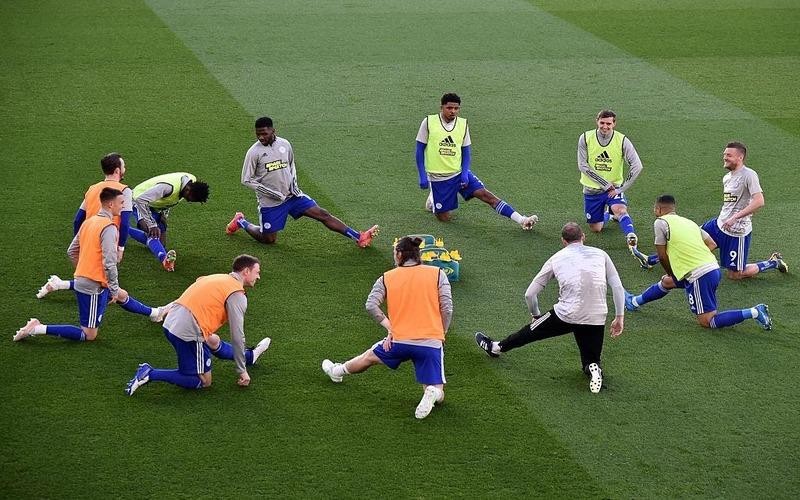
Dynamic stretching is more suitable before competition than holding a static stretch for an extended period. Players can perform forward leg swings, lateral leg swings, high knees, butt kicks, or long strides combined with torso rotations.
Each movement should be performed approximately 8–12 times on each side. The aim is to gradually move the muscles through a greater range of motion while maintaining control.
When watching matches or exploring related content such as tỷ lệ kèo cá cược, viewers may notice that players often incorporate numerous dynamic stretching exercises into their warm-ups. This is an appropriate preparation method for the high-speed movements required in football.
Accelerate and get comfortable with the ball
Once the body is sufficiently warm, players can complete 3–5 short accelerations over distances of approximately 10–20 meters. The first run should be performed at around 60% of maximum effort, gradually increasing to 70–80% rather than immediately sprinting at full speed.
Short passing drills help players get comfortable with the ball before kickoff
The final step is to get comfortable with the ball through short passes, first touches, dribbling, and gentle shots. Soco Live TV believes this stage both completes the physical warm-up and helps players regain their touch before the match.
How long should a football warm-up last before a match?
The time required for how to warm up before playing football depends on physical condition, age, weather, and match intensity. For recreational football, around 10–15 minutes is usually sufficient if the exercises are performed in the correct sequence.
In cold weather, players should spend a few extra minutes warming up. Cold muscles are generally less flexible, so preparation should progress gradually and may take around 15–20 minutes.
Conversely, when playing in hot weather, players should avoid warming up for too long or completing too many high-intensity runs, as this could leave them exhausted before the match even begins.
According to Socolive Tivi, a good warm-up should leave the body feeling warm, the joints moving freely, and the mind alert without causing breathlessness or tired legs.
Mistakes to avoid when warming up before a match
Many recreational football players skip their warm-up or perform only a few superficial exercises before taking to the pitch. This is an unhealthy habit, particularly for people who have been physically inactive throughout the day.
The first common mistake is sprinting while the body is still cold. Accelerating suddenly can place considerable strain on the hamstrings, calves, and ankles. Players should always begin with light activity and gradually increase the intensity.
Warming up too quickly or too intensely can be counterproductive
Another mistake is stretching the muscles too aggressively before a match. Stretching is important, but players should prioritize controlled, dynamic movements rather than holding their muscles in an excessively stretched position for too long.
Viewers watching tructiepbongda will also often notice that teams finish their warm-ups relatively close to kickoff. This helps the body maintain its temperature and readiness. If players finish warming up and then sit around for too long, their bodies may cool down again.
Players should also avoid being distracted by non-playing factors, such as result predictions or tỷ lệ kèo cá cược, before a match. The priority at this stage should remain checking their physical condition, following the correct warm-up sequence, and mentally preparing for the game.
Additional tips for a more effective warm-up
To make how to warm up before playing football more effective, players should establish a relatively consistent routine rather than following a completely different approach before every match. Once the body becomes familiar with the sequence, pre-match preparation can become quicker and more efficient.
Players returning from an injury should be particularly cautious. A thorough warm-up should not be treated as a reason to immediately compete at maximum intensity. If pain or restricted movement persists, they should consult a medical professional or a qualified specialist.
In addition, players should drink enough water, wear footwear suitable for the playing surface, and check their shoelaces before stepping onto the pitch. These small details can directly affect safety throughout the match.
Conclusion
Following how to warm up before playing football correctly helps prepare the body for sprinting, physical challenges, and frequent changes of direction on the pitch. Spending just 10–15 minutes jogging lightly, mobilizing the joints, performing dynamic stretches, and getting comfortable with the ball can help players prepare more effectively before a match. Socolive recommends maintaining a consistent warm-up routine to play football more safely and perform more consistently.