
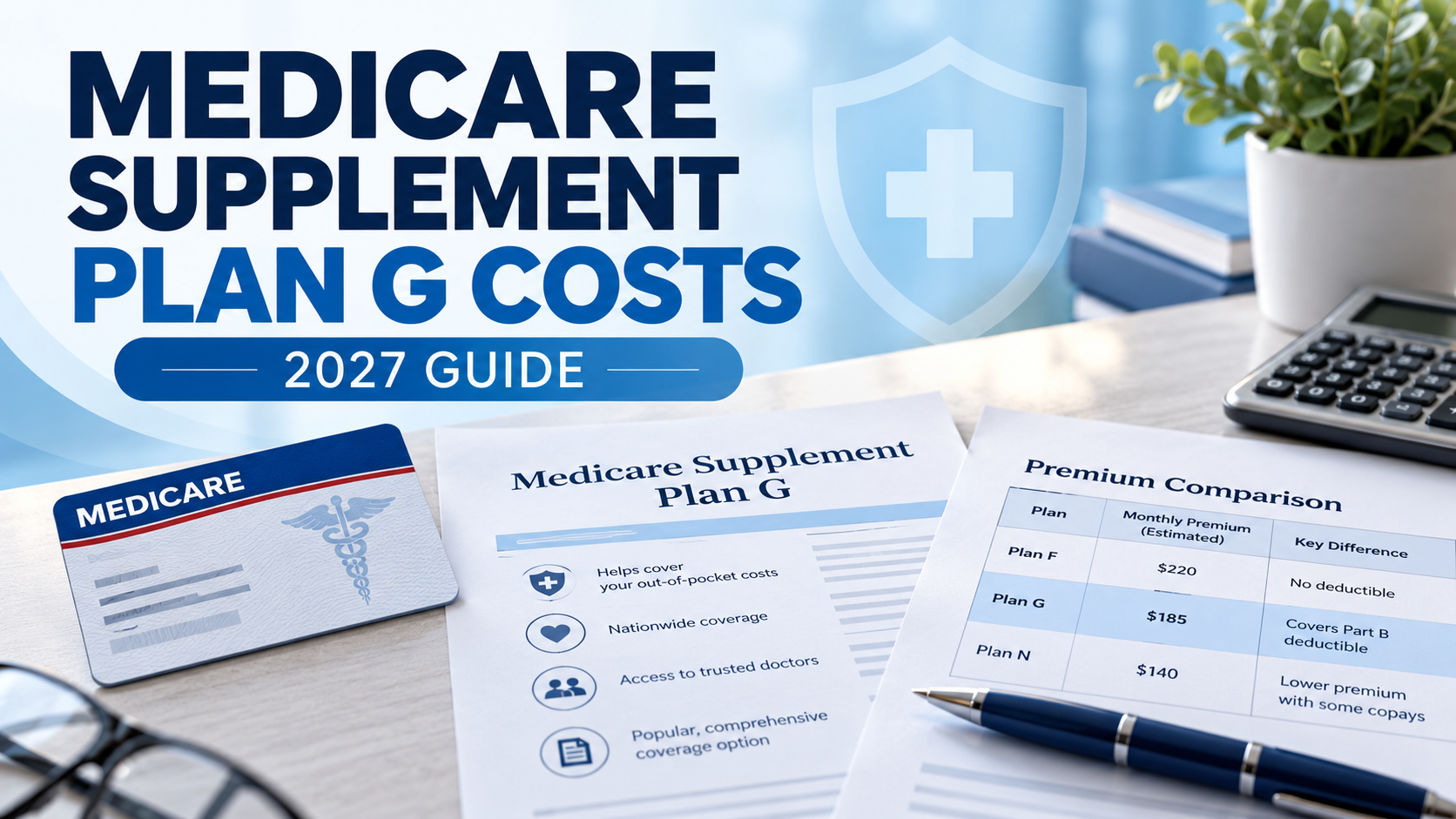
Understanding Medicare Plan G: A Complete Guide to Coverage and Benefits
Medicare provides essential healthcare coverage for millions of older adults and eligible individuals in the United States. However, Original Medicare does not cover every medical expense. Beneficiaries may still be responsible for deductibles, coinsurance, and copayments, which can create financial challenges when healthcare needs increase. Medicare Supplement Plan G, also known as Medicare Plan G, is designed to help manage many of these additional expenses.
Understanding how Plan G works, what it covers, and where its limitations apply can help individuals make informed decisions about their healthcare coverage. This guide explores the main features, benefits, eligibility requirements, and important considerations associated with Medicare Supplement Plan G.
What Is Medicare Supplement Plan G?
Medicare Supplement Plan G is a private insurance policy that works alongside Original Medicare, which includes Part A hospital insurance and Part B medical insurance. Its primary purpose is to help pay certain out-of-pocket costs that Medicare does not cover.
Plan G is available through private insurance companies, but its standardized benefits are regulated by federal and state requirements. This means that the core medical benefits remain the same regardless of which insurer provides the policy. However, monthly premiums, customer service, pricing methods, and additional administrative features may differ.
One important feature of Plan G is that it provides broad coverage for eligible Medicare-approved expenses. Beneficiaries generally pay the annual Medicare Part B deductible themselves. After meeting this deductible, Plan G helps cover many remaining Medicare-approved cost-sharing expenses.
What Does Medicare Plan G Cover?
Plan G offers comprehensive supplemental coverage for several expenses associated with Original Medicare. Its benefits are particularly useful for people who want greater financial predictability when receiving covered medical services.
The major coverage benefits include:
1. Medicare Part A Hospital Coinsurance
Original Medicare Part A covers eligible inpatient hospital care, but beneficiaries may face significant coinsurance expenses during extended hospital stays. Plan G helps cover Part A coinsurance and hospital costs for up to an additional 365 days after Medicare benefits are exhausted.
2. Medicare Part A Deductible
Hospital admissions under Part A may require beneficiaries to pay a deductible for each benefit period. Plan G covers the Medicare Part A deductible, helping reduce the financial burden associated with eligible inpatient hospital treatment.
3. Medicare Part B Coinsurance and Copayments
Part B generally requires beneficiaries to pay 20% of the Medicare-approved amount for many covered outpatient services after meeting the annual deductible. Plan G covers this coinsurance and eligible copayments, helping individuals manage expenses associated with doctor visits, diagnostic tests, and other approved medical services.
4. Skilled Nursing Facility Coinsurance
Recovery following an illness, injury, or surgery may require skilled nursing facility care. Medicare Part A provides limited coverage when eligibility conditions are met. Plan G helps pay the applicable skilled nursing facility coinsurance during covered benefit periods.
5. Part A Hospice Care Coinsurance
Medicare covers eligible hospice services, although certain coinsurance and copayment requirements may apply. Plan G helps cover these expenses, providing additional financial support during end-of-life care.
6. First Three Pints of Blood
Original Medicare generally requires beneficiaries to pay for the first three pints of blood used during a covered medical procedure when the blood is not otherwise provided without charge. Plan G covers this expense under applicable Medicare rules.
7. Foreign Travel Emergency Coverage
Plan G includes limited foreign travel emergency benefits. Generally, it covers 80% of eligible emergency medical expenses after a $250 annual deductible, subject to a lifetime maximum of $50,000. The emergency must meet the policy’s timing and medical necessity requirements.
What Does Medicare Plan G Not Cover?
Although Plan G provides extensive supplemental benefits, it does not cover every healthcare expense. Understanding its exclusions is essential before purchasing a policy.
The most important limitation is the Medicare Part B annual deductible, which beneficiaries must pay themselves. Plan G also does not generally cover prescription drugs, routine dental care, routine vision services, hearing aids, or long-term custodial care.
Prescription medication coverage can be obtained through a separate Medicare Part D plan. Individuals may also consider standalone dental, vision, or hearing coverage if these services are important to their healthcare needs.
Additionally, Plan G does not pay for services that Original Medicare itself does not cover, except for the specific supplemental benefits included in the policy.
Key Benefits of Choosing Medicare Plan G
Medicare Supplement Plan G offers several advantages that make it an attractive option for eligible beneficiaries.
Predictable Healthcare Expenses: After meeting the annual Part B deductible, beneficiaries generally have limited additional out-of-pocket costs for Medicare-approved Part A and Part B services covered by the policy.
Broad Medical Coverage: Plan G covers many significant Original Medicare cost-sharing expenses, including hospital deductibles, outpatient coinsurance, and skilled nursing facility coinsurance.
Nationwide Provider Access: Beneficiaries can generally visit any healthcare provider in the United States who accepts Medicare patients and is accepting new Medicare patients.
Financial Protection: By covering many unexpected medical cost-sharing expenses, Plan G can help individuals manage healthcare budgets and reduce uncertainty.
Standardized Benefits: The core benefits remain consistent across insurers, making it easier to compare policies based on premiums, financial stability, and customer service.
Who Is Eligible for Medicare Plan G?
Individuals generally need to be enrolled in Original Medicare Part A and Part B to purchase Medicare Supplement Plan G. Most people become eligible for Medicare at age 65, while certain younger individuals may qualify because of disability or specific medical conditions.
The best opportunity to purchase a Medigap policy without medical underwriting is generally during the six-month Medigap Open Enrollment Period. This period begins when an individual is both at least 65 years old and enrolled in Medicare Part B.
During this period, insurance companies generally cannot deny coverage or charge higher premiums because of pre-existing health conditions. Outside this window, applicants may face medical underwriting unless they qualify for guaranteed issue rights or additional state protections.
It is important to understand that Plan G is not the same as Medicare Advantage. Beneficiaries generally cannot use a Medigap policy alongside a Medicare Advantage plan.
Understanding Medicare Plan G Premiums and Costs
Although Plan G covers many out-of-pocket expenses, beneficiaries must pay a monthly premium to maintain the policy. Premiums vary depending on several factors, including age, location, tobacco use, household discounts, and the insurance company’s pricing structure.
Insurance companies may use different pricing methods, such as attained-age, issue-age, or community-rated pricing. Each method affects how premiums may change over time.
When comparing policies, individuals should look beyond the initial monthly premium. A policy with a lower starting price may become more expensive in future years. Reviewing the insurer’s rate history, financial reputation, and customer support can help identify a suitable option.
Beneficiaries should also include their Medicare Part B premium and any separate prescription drug coverage costs when calculating their overall healthcare budget.
How to Choose the Right Medicare Plan G Policy
Selecting a Plan G policy requires comparing available options carefully. Since standardized Plan G benefits are generally identical, the main differences involve pricing and insurance company services.
Consider the following factors before enrolling:
- Compare monthly premiums from multiple insurance providers.
- Review the company’s premium increase history.
- Check available household or payment discounts.
- Understand the insurer’s pricing method.
- Evaluate customer service and claims-handling reputation.
- Confirm the policy’s availability in your residential area.
Speaking with a licensed Medicare insurance professional can also help clarify enrollment rules and compare suitable coverage options.
Final Thoughts
Medicare Supplement Plan G can provide valuable financial protection for individuals who want comprehensive coverage alongside Original Medicare. By covering many hospital and outpatient cost-sharing expenses, it helps make healthcare costs more predictable and manageable.
However, it is important to consider its monthly premiums, annual Part B deductible, and coverage exclusions before enrolling. Comparing insurers and understanding personal healthcare requirements can help beneficiaries select an appropriate policy. With careful planning, Medicare Plan G can be an effective option for managing medical expenses while maintaining flexibility in choosing Medicare-participating healthcare providers.