

Common Cleaning Equipment Mistakes That Can Lead to Costly Repairs
Cleaning equipment is essential for maintaining commercial buildings, industrial facilities, and outdoor spaces. Pressure washers, floor scrubbers, and other specialised machines help businesses complete demanding cleaning tasks efficiently while reducing manual labour.
However, even reliable equipment can develop expensive mechanical problems when it is used incorrectly or maintained poorly. Small mistakes, such as ignoring unusual noises, using unsuitable detergents, or skipping routine inspections, can gradually damage important components.
Many of these problems are preventable. Understanding common equipment mistakes allows businesses to protect their investment, reduce unexpected downtime, and maintain consistent cleaning performance. With proper operating habits and regular maintenance, cleaning machines can remain dependable for years without requiring frequent major repairs.
Ignoring Early Warning Signs of Mechanical Problems
One of the most common mistakes equipment operators make is continuing to use a machine after noticing signs of mechanical trouble. Unusual vibrations, inconsistent water pressure, strange noises, and small leaks can indicate developing problems.
These symptoms might initially appear harmless, especially when the equipment continues functioning. However, operating a damaged machine can place additional stress on pumps, motors, seals, and other components, potentially turning minor issues into expensive repairs.
For businesses relying on commercial pressure washers, professional pressure washer repair houston services can help identify mechanical faults, restore equipment performance, and prevent further damage.
Operators should regularly monitor equipment behaviour and report noticeable changes immediately. Difficulty starting a machine, reduced cleaning efficiency, or repeated overheating should never be ignored.
Addressing these warning signs early can help businesses avoid unexpected breakdowns and keep their cleaning schedules running smoothly.
Using Incorrect Cleaning Chemicals and Detergents
Not every cleaning solution is compatible with every machine. Different detergents contain ingredients designed for specific applications, and using unsuitable products can damage internal components or reduce cleaning performance.
Some chemicals may weaken rubber seals, corrode metal surfaces, or leave deposits inside pumps and hoses. Over time, this damage can affect water flow and create mechanical problems that require professional attention.
Operators should always follow manufacturer recommendations when choosing cleaning products. Using approved detergents helps protect equipment while ensuring surfaces receive appropriate treatment.
Correct dilution is equally important. Adding excessive detergent does not necessarily improve cleaning results and may create unnecessary residue inside the system.
Businesses using multiple cleaning machines should clearly label approved solutions and train employees to select the appropriate products. This simple precaution can prevent avoidable maintenance expenses.
Neglecting Filters, Hoses, and Nozzles
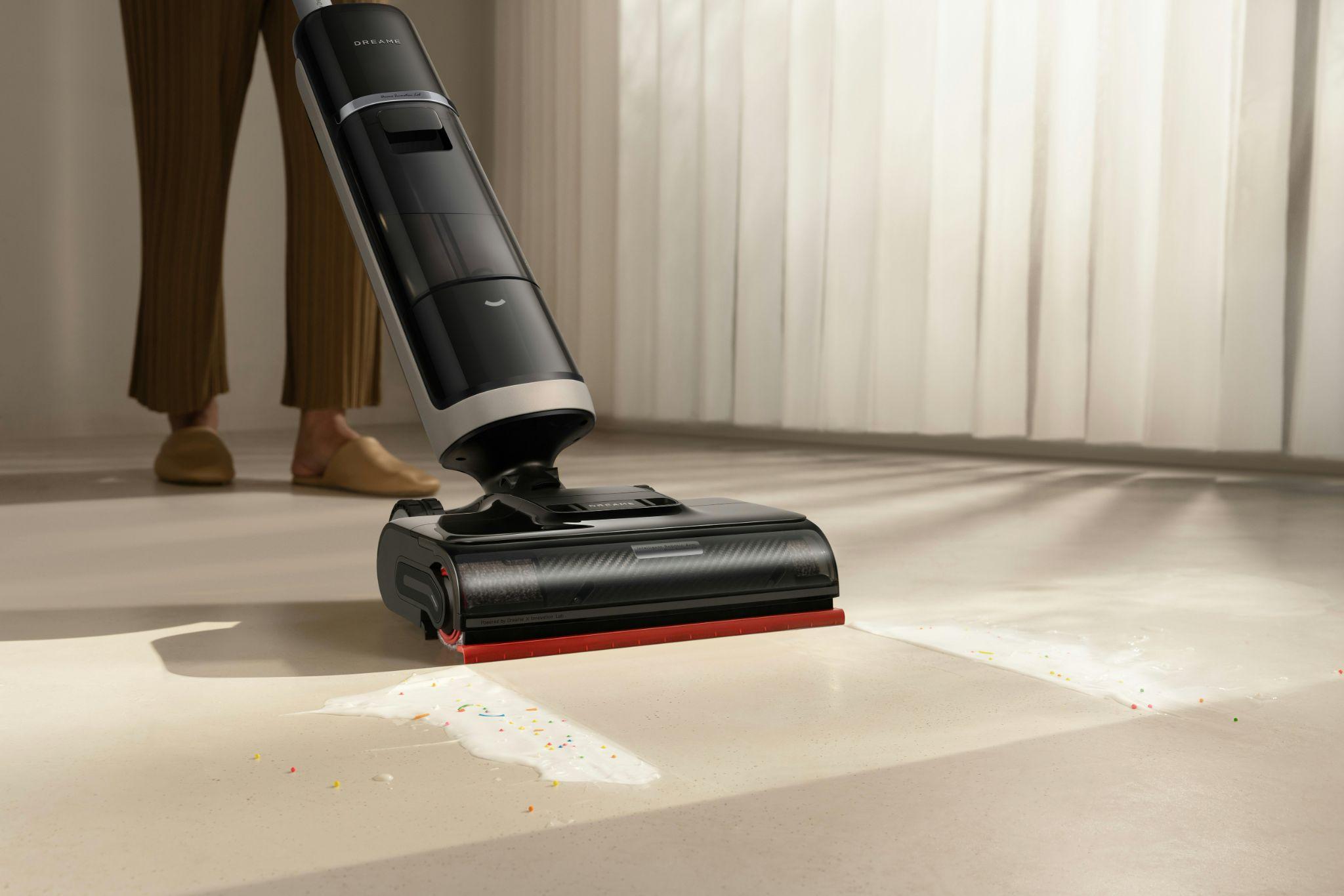
Photo by Dreame Vacuum Cleaner on Unsplash
Small components often receive less attention than motors or pumps, even though they play an essential role in equipment performance. Filters, hoses, nozzles, and connectors experience regular wear and require periodic inspection.
A clogged water filter, for example, can restrict the flow of water entering a pressure washer. Insufficient water supply may damage the pump, particularly when the machine continues operating under demanding conditions.
Similarly, worn hoses can develop leaks that reduce pressure and interfere with cleaning efficiency. Damaged nozzles may create uneven spray patterns or place additional strain on the system.
Regular inspections help operators identify these problems before they become serious. Cleaning filters, checking connections, and replacing damaged accessories are relatively simple maintenance tasks.
Keeping spare hoses, filters, and nozzles available can also reduce downtime when components need replacement during busy cleaning periods.
Operating Cleaning Machines Beyond Their Recommended Limits
Every cleaning machine has operating limits established by its manufacturer. These specifications may include maximum pressure, recommended water temperature, operating duration, and suitable environmental conditions.
Ignoring these limits can accelerate equipment wear. For example, using excessive pressure may damage delicate surfaces while placing unnecessary strain on hoses and fittings.
Running machines continuously without appropriate cooling can also contribute to overheating. Equipment operating in poorly ventilated areas may be particularly vulnerable to temperature-related problems.
Another costly mistake is operating a pressure washer without sufficient water flow. Inadequate supply can damage internal pump components and significantly reduce cleaning effectiveness.
Employees should understand the equipment specifications before beginning work. Providing clear operating instructions and practical training helps prevent accidental misuse.
Choosing appropriate settings for each cleaning task also improves efficiency, allowing machines to deliver effective results without unnecessary mechanical stress.
Storing Equipment in Unsuitable Conditions
Improper storage can cause significant equipment damage even when machines are not actively being used. Exposure to moisture, extreme temperatures, and outdoor weather conditions can gradually affect mechanical and electrical components.
Leaving cleaning machines outside without protection may encourage corrosion, particularly around metal fittings and exposed connections. Water remaining inside equipment can also cause damage during freezing weather.
Pressure washers are especially vulnerable when trapped water freezes and expands. This expansion can crack pump housings, fittings, and other internal components, creating expensive repair requirements.
Equipment should be cleaned after use and stored in a dry, protected location. Hoses should be inspected, electrical cables organised, and water systems drained or winterised when necessary.
Machines stored for extended periods may require additional preparation, including fuel-system maintenance for petrol-powered equipment.
Following manufacturer storage recommendations helps preserve equipment condition and ensures machines remain ready for future use.
Skipping Preventive Maintenance to Save Money
Businesses sometimes delay maintenance because their equipment appears to be working normally. Although postponing servicing may reduce immediate expenses, it can increase the risk of unexpected breakdowns and costly repairs.
Preventive maintenance allows technicians to identify worn components, lubrication problems, and developing mechanical faults before equipment performance deteriorates.
Maintenance requirements vary depending on the machine and operating conditions. Equipment used daily in demanding commercial environments generally requires more frequent attention than machines used occasionally.
Keeping maintenance records is another useful practice. Recording servicing dates, replacement parts, and recurring problems helps businesses identify equipment that requires additional attention.
Training employees to perform basic inspections also supports a more effective maintenance programme. Operators can check visible components, report unusual behaviour, and ensure equipment is used according to manufacturer instructions.
Ultimately, preventing cleaning equipment failures requires consistency rather than complicated procedures. Regular inspections, correct operating practices, suitable storage, and timely professional servicing can significantly reduce avoidable damage.
Businesses that prioritise equipment care can extend machine lifespans, minimise unexpected downtime, and maintain reliable cleaning operations without unnecessary repair expenses.