
Preparing to Volunteer in Costa Rica: A Guide to Doing It Right
Deciding to volunteer in Costa Rica is the easy part. The real work begins in the weeks before departure, when thoughtful preparation shapes whether your time abroad creates genuine value or simply checks a box on a travel bucket list. Anyone who wants to volunteer in Costa Rica responsibly needs more than a passport and good intentions; they need a mindset built on humility, patience, and respect for local communities.
This guide walks through what matters most before you go, how to carry yourself once you arrive, and what to do with the experience once you’re home. The goal isn’t just a memorable trip. It’s lasting, ethical impact that benefits the people and places you came to support.
Building the Right Mindset Before You Arrive
Preparation starts long before you pack a bag. The most effective volunteers arrive with a clear understanding that they are guests, not saviors. Costa Rica has its own systems, traditions, and ways of solving problems. Volunteers who succeed are the ones who ask questions, observe before acting, and defer to local staff who understand the community’s actual needs.
It helps to research the region you’ll be working in, whether that’s the university district of San Jose or the beach town of Manuel Antonio. Learning a handful of Spanish phrases goes a long way too, even if your program includes English-speaking staff. Small efforts at communication signal respect and often open doors to richer connections with host families and coworkers.
Flexibility matters just as much as preparation. Projects can shift based on weather, community schedules, or unexpected needs. Volunteers who adapt easily, rather than insisting on a fixed plan, tend to have smoother and more rewarding placements.
What Skills Actually Help in the Field
You don’t need specialized training to make a meaningful contribution, but certain qualities consistently separate strong volunteers from frustrated ones. Patience ranks high on that list, especially for those working with children, the elderly, or community members facing language barriers. Creativity matters too; many placements require volunteers to work with limited resources and improvise solutions on the spot.
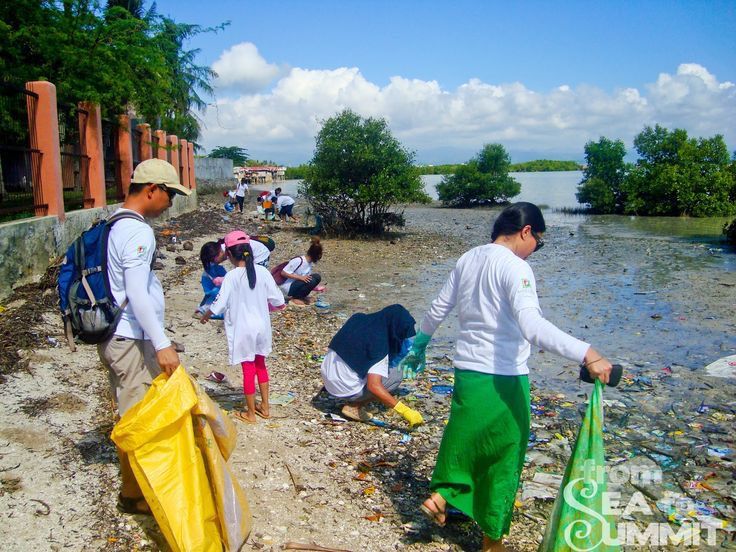
Physical stamina shouldn’t be underestimated either. Construction projects demand hours of manual labor, while beach conservation work often means early mornings and demanding outdoor conditions. Even classroom-based placements, like teaching English, require energy and enthusiasm to keep students engaged.
Above all, a willingness to learn rather than instruct sets the tone for a respectful exchange. Volunteers who show up ready to listen to local staff and community members, rather than assuming they already know best, tend to build stronger relationships and leave a more positive impression.
How to Volunteer Ethically and Avoid Doing Harm
Responsible volunteering means thinking critically about impact, not just intention. Short, poorly planned placements can sometimes do more harm than good, particularly in programs involving children. That’s why reputable organizations require background checks for anyone working with minors and recommend longer stays over quick visits. A longer commitment allows for consistency, something especially important for kids who may already face instability at home.
Choosing a program with a structured, professional approach also matters. Organizations that provide clear schedules, trained field managers, and defined project goals tend to create more sustainable outcomes than loosely organized efforts. Before committing, ask how long the organization has operated in the region, how they vet host families, and what kind of ongoing support they provide once you’re on the ground.
It’s also worth considering whether your skills genuinely match the project. Someone without construction experience can still contribute meaningfully under proper supervision, but being honest about your limitations, and willing to learn from local tradespeople, keeps the work safe and effective.
Making the Experience Count After You Return Home
The impact of volunteering shouldn’t end the moment your flight lands back home. Reflecting on what you learned, the challenges you faced, and the relationships you built helps translate the experience into something that shapes how you think and act going forward.
Many returning volunteers choose to stay connected with the organizations or communities they worked with, whether through continued fundraising, spreading awareness, or simply keeping in touch with host families. Others use the experience as a foundation for further study, academic credit, or career direction, particularly those drawn to fields like healthcare, education, or environmental conservation.
Sharing your experience thoughtfully also matters. Rather than reducing the trip to a handful of vacation photos, consider discussing what you learned about the community’s actual challenges and strengths. This kind of honest reflection helps combat stereotypes and gives others a more accurate picture of what responsible volunteer work looks like.
Ready to Take the Next Step?
Thoughtful preparation turns a well-meaning trip into a genuinely valuable contribution. Approaching the experience with humility, the right mindset, and a commitment to ethical practices ensures that your time benefits the community as much as it benefits you. If you’re ready to explore how to volunteer in Costa Rica in a way that creates lasting, responsible impact, take time to research your options, ask thorough questions, and choose a program built on structure, transparency, and genuine community partnership.
Frequently Asked Questions
What should I pack when preparing for a volunteer trip to Costa Rica?
Pack lightweight, breathable clothing suited to humid conditions, closed-toe shoes for fieldwork, a reusable water bottle, and any personal medications. Modest clothing is recommended for community-based projects, particularly those involving schools or religious organizations.
How can I tell if a volunteer organization operates ethically?
Look for organizations with a long-established local presence, trained field staff, background check requirements for work with children, and transparent communication about project goals and limitations. Ethical organizations prioritize community needs over volunteer convenience.
Is prior experience necessary to volunteer effectively?
No. Most placements, including teaching, childcare, and conservation work, welcome volunteers without prior experience. What matters more is a willingness to learn, follow guidance from local staff, and approach the work with patience and humility.
How long should I commit to a volunteer placement for it to be meaningful?
Longer placements generally create more consistency and stronger relationships, particularly for projects involving children or ongoing community initiatives. While short stays can still offer value, extending your commitment allows for deeper engagement and more sustainable outcomes.
What can I do to maintain my impact after returning home?
Stay connected with the organization or community you worked alongside, share accurate and thoughtful reflections about your experience, and consider how the skills or perspective you gained might inform future volunteer work, study, or career choices.