
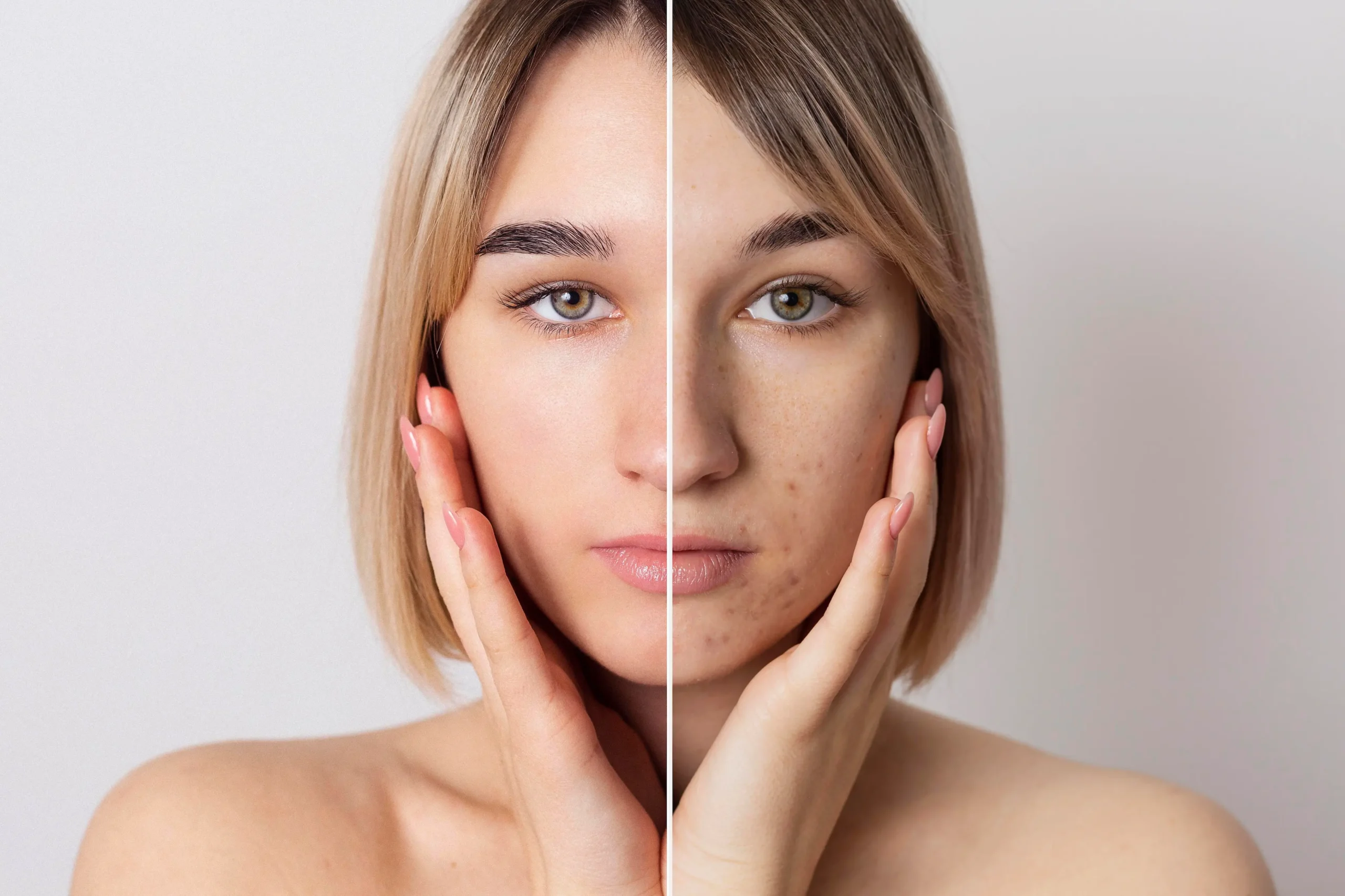
RF Microneedling vs Regular Microneedling: What Actually Changes
Think of regular microneedling as aerating a lawn and RF microneedling as aerating it while also delivering heat to the roots. Both treatments start the same way, with tiny needles creating controlled channels in the skin, but what happens below the surface is different enough to change who benefits most. Patients researching RF microneedling San Marcos clinics often assume the radiofrequency version is simply a stronger upgrade. Sometimes it is. Sometimes the classic treatment is the better fit. Here is what actually changes between the two.
What Do the Two Treatments Have in Common?
Both start with the same basic tool: a handheld device fitted with sterile, ultra-fine needles that create thousands of tiny channels in the skin. Both rely on the body’s own healing response, which rebuilds collagen and elastin over the following weeks. Both are typically performed in-office with topical numbing, and both reward patience, since visible change builds gradually rather than overnight. The real differences begin with what happens beneath the surface.
How Does Each Treatment Work?
Regular Microneedling
Also called collagen induction therapy, this treatment uses a pen-style device with fine needles that penetrate the skin to a set depth. The tiny wounds prompt a healing response over the following weeks. Because no energy is delivered, the effect depends entirely on needle depth and the body’s repair process. It is commonly used for mild acne scarring, enlarged pores, fine lines, and dull texture.
RF Microneedling
RF devices pair needles with radiofrequency energy released at or near the needle tips. Many systems use insulated needles, which concentrate heat in the dermis while sparing the surface layer. The result is a two-part effect: mechanical stimulation from the needles plus thermal remodeling from the energy. Providers can adjust depth and energy settings for different areas, such as the cheeks, jawline, or neck.
How Do They Compare Side by Side?
| Factor | Regular microneedling | RF microneedling |
| Main mechanism | Micro-injuries trigger collagen production | Micro-injuries plus heat that tightens and remodels collagen |
| Best for | Fine lines, mild scarring, pores, dullness | Laxity, deeper acne scars, jawline and neck texture |
| Typical sessions | Often 3 to 6, spaced about 4 to 6 weeks apart | Often 1 to 3, spaced about 4 to 6 weeks apart |
| Comfort | Mild with numbing cream | More intense; numbing is standard |
| Downtime | About 1 to 3 days of redness | About 2 to 5 days of redness and minor swelling |
| Cost per session | Lower | Higher |
Session counts and downtime vary with skin condition and device settings, so treat these as general ranges rather than promises.
Where Does the Radiofrequency Make a Real Difference?
The biggest gap shows up with skin laxity. Regular microneedling can improve texture, but it has limited ability to firm skin that has started to soften along the jawline or under the chin. Heat delivered into the dermis can produce a modest tightening effect that needles alone rarely achieve.
Deeper, rolling or boxcar acne scars are another area where RF tends to perform better, because energy reaches the tissue tethering those scars. Many people exploring RF microneedling San Marcos recommend doing so after trying topical treatments or classic microneedling with limited improvement on these concerns.
RF microneedling is also frequently discussed as an option for a wide range of skin tones. Because insulated needles deliver energy below the surface, the risk of surface pigment changes is generally lower than with some resurfacing lasers, though an experienced provider and careful settings still matter.
When Is Regular Microneedling the Smarter Choice?
If your main goals are glow, smaller-looking pores, and softening fine lines, classic microneedling may deliver everything you need at a lower cost and with less downtime. It also works well as maintenance between more intensive treatments. Younger patients without noticeable laxity often see little added benefit from paying for radiofrequency.
A provider who offers both can recommend the right fit after examining your skin rather than defaulting to the most expensive option. Reading a clinic’s treatment pages beforehand helps you arrive with sharper questions.
What Do Recovery and Results Look Like?
Both treatments leave skin pink and slightly tight for a few days, similar to a mild sunburn. Gentle cleansing, a simple moisturizer, and strict sun protection are the usual aftercare. Results build gradually because collagen remodeling takes time. Many patients notice smoother texture within a few weeks, with continued improvement over three to six months after their final session.
Who Should Wait Before Either Treatment?
Most providers postpone treatment during pregnancy, with active acne breakouts or skin infections, or after recent isotretinoin use. People who form keloid scars need a careful conversation first. For RF specifically, mention any pacemaker, implanted electronic device or metal implants in the treatment area, since some devices carry restrictions. Clinic intake forms usually cover these questions in detail.
Frequently Asked Questions
Does RF microneedling hurt more than regular microneedling?
Generally, yes. The heat adds intensity, which is why topical numbing is standard before RF sessions.
Can I combine the two treatments?
Some treatment plans alternate them, using RF for structural concerns and classic microneedling for maintenance.
Are at-home rollers the same as professional microneedling?
No. Home rollers use shallow needles and lack the precision, sterility, and depth control of in-office devices.
Choosing Between the Two
The difference comes down to depth of concern. Surface texture, pores, and early fine lines usually respond well to regular microneedling, while laxity and deeper scarring are where radiofrequency earns its higher price. If you are considering RF microneedling San Marcos patients can trust, start with a skin assessment that compares both options honestly. You can learn more about available treatments at studiomedspa.com and use that visit to plan a series that fits your skin and budget. Book a consultation, bring photos of your main concerns, and leave with a clear treatment plan.