Lennart Karl biography and the roots of his football ambition
Born in Frammersbach, the young German attacker developed his technique through several ambitious youth environments.
Growing up in Bavaria and discovering football
Goaldaddy delivers up-to-date football news and information. Lennart Karl was born on February 22, 2008, in Frammersbach, Germany. He played for Viktoria Aschaffenburg before joining Eintracht Frankfurt’s academy in 2017. He returned to Aschaffenburg in early 2022, then joined Bayern Munich’s academy that summer. These moves introduced different coaching methods.
He learned short touches, balance, and changes of direction. In youth matches, he sought possession in crowded areas. Taking responsibility became central to his game.
See more: ดูบอลสด99 on the Goaldaddy platform
Progress through Bayern’s youth teams
At the Bayern Campus, Lennart Karl represented the under-17 and under-19 sides. His performances attracted attention because he combined creative passing with a direct approach to scoring. Older opponents tested his judgment under pressure.
In 2025, he received the silver Fritz Walter Medal in the under-17 category, a significant recognition of his progress in German youth football. The award recognized promise, not guaranteed success.
The journey into Bayern Munich’s senior team
An unexpected opportunity during an international club tournament helped accelerate his transition into professional football.
First-team debut and Bundesliga breakthrough
Lennart Karl made his professional debut at the 2025 FIFA Club World Cup, appearing against Auckland City. He subsequently became a full-time member of Bayern’s senior squad for the 2025–26 season. The change demanded preparation and quicker decisions.
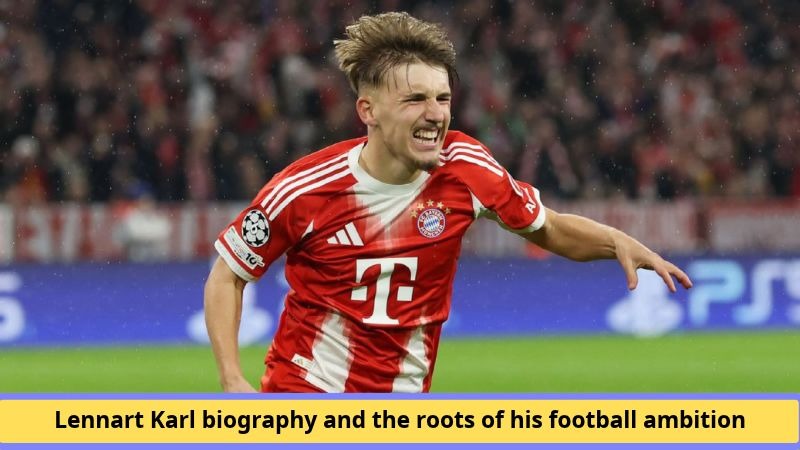
Under Vincent Kompany, the teenager received Bundesliga opportunities as Bayern pursued another domestic championship. He contributed five goals and five assists in 26 league appearances during that campaign. Those numbers showed attacking ambition, while pressing and teamwork remained important.
A memorable Champions League milestone
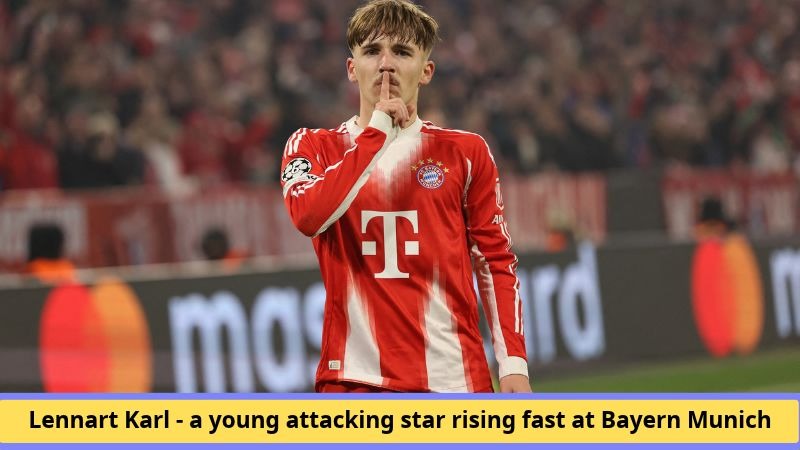
On October 22, 2025, Lennart Karl scored against Club Brugge in the Champions League. At 17 years and 242 days old, he became Bayern’s youngest scorer in that competition. The landmark came under considerable European attention.
He still needed to overcome increasingly detailed defensive plans. Opponents could study his preferred movements, forcing him to vary his runs and use teammates more effectively. Learning that adaptability is part of becoming a reliable senior attacker.
Preferred position and attacking characteristics
Lennart Karl usually plays attacking midfield or right wing, bringing left-footed creativity to both roles.
Dribbling, movement, and finishing opportunities
At 1.68 metres tall, the left-footed player relies on agility and acceleration to escape challenges. From the right side, he can cut inside and shoot or combine with teammates near the penalty area. In central positions, he looks for pockets of space between defenders and midfielders.
His close control makes him difficult to predict, but technical flair alone is insufficient. Choosing when to release a pass can be as important as beating a defender. Lennart Karl must also react quickly after losing possession, helping Bayern sustain pressure rather than allowing an easy counterattack.
His coaches can carefully assess progress through passing choices, defensive effort, and movement without possession, even during matches when chances are limited.
The variety in his game offers tactical options. Against deep opponents, he can attempt combinations in tight spaces. Against teams defending higher, he can exploit room behind their lines. Maintaining sound decisions across both situations will be crucial.
Major trophies and recent achievements
His first senior campaign brought team honours and individual breakthroughs at an unusually young age.
Domestic silverware and individual recognition
Lennart Karl belonged to Bayern’s Bundesliga-winning squad in 2025–26 and celebrated the 2026 DFB Cup victory. The club also lists the 2025 and 2026 Franz Beckenbauer Supercup titles among his honours. These collective achievements should be distinguished from individual playing time in any particular final.
His 2025 silver Fritz Walter Medal recognized his youth performances. Meanwhile, the Champions League goal against Club Brugge made an enduring entry in Bayern’s records. Together, these milestones illustrate how quickly he progressed from academy competitions to the elite professional level.
A senior Germany debut and a World Cup setback
Lennart Karl impressed for Germany’s under-21 side in November 2025, scoring three goals across matches against Georgia and Malta. He made his senior international debut against Switzerland on March 27, 2026, aged 18 years and 33 days.
Germany subsequently selected him for its 2026 World Cup squad, but injury forced him to withdraw. Missing that tournament was disappointing, yet selection itself confirmed that his progress had been noticed nationally. Future international appearances will depend on fitness, form, and coaching decisions.
Future expectations at Bayern Munich
His Bayern contract runs through June 2029, offering a foundation for continued development. The next challenge is to translate early excitement into consistent performances across a demanding calendar.
Lennart Karl can improve his influence by recognizing when teammates need an early pass and when direct dribbling presents a better option. Maintaining defensive discipline will matter as much as scoring against strong opponents. Recovering fully from injury, managing physical workloads, and responding constructively to quiet matches should remain priorities.
Competition for attacking positions is intense, and no permanent starting role is guaranteed. Nevertheless, opportunities in Bundesliga and European fixtures can help him build experience. Regular guidance from coaches and established teammates may also sharpen his understanding of pressing and positioning.
For Germany, another international tournament remains an ambition, not a certainty. His progress will be measured through sustainable performances rather than predictions about future awards.
Conclusion
Lennart Karl has moved from Bavarian youth football to major matches for Bayern Munich with unusual speed. His close control, bold attacking choices, and creative left foot have already produced memorable moments.
A domestic double, Supercup honours, and an early Champions League record form a promising foundation. Yet the most important work lies ahead: staying healthy, reading matches more intelligently, and contributing even when goals do not arrive.
For supporters, Lennart Karl represents the possibilities of academy development. His lasting reputation will depend on steady growth, teamwork, and the ability to handle expectations without losing the adventurous qualities that first drew attention.