How to Add Color to Your Eyewear Style?
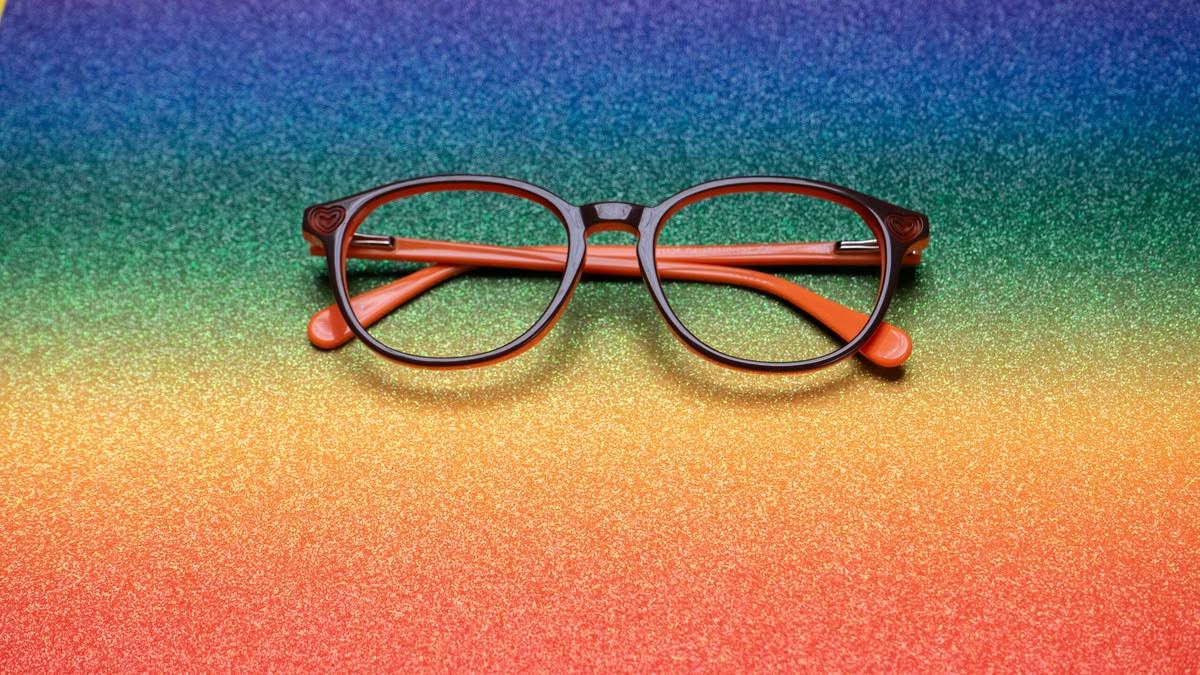
Adding color to your eyewear can be as simple as keeping a familiar frame shape and trying a different shade. Start with the clothes you already wear, choose one color to experiment with, and resist the urge to coordinate every accessory around it.
Blue is a useful place to begin. You can try a pale shade with an easy weekend outfit or explore a deeper blue alongside your usual dark clothing. There is no need to replace your wardrobe or suddenly become someone who wears bright colors everywhere.
The goal is to find a pair that feels interesting without making getting dressed complicated.
Begin With Your Everyday Glasses
Before shopping, look at the glasses you reach for most often. What do you like about them: the rounded corners, the clear frame, or the strong line across the top?
Keep one of those details when exploring color. Moving from a familiar black square frame to a blue version gives you a specific change to consider. Switching the shape, size, and color together makes it harder to tell which element you enjoy.
Donahugh’s collection of men’s eyeglasses includes square, round, browline, and geometric options, offering different starting points for that comparison.
You don’t have to abandon neutral glasses, either. Keep wearing the pair that works for everyday tasks and explore color through sunglasses for outdoor occasions. Keep the familiar details you enjoy while giving yourself a different option outdoors.
Find Your Version of Blue
Rather than choosing blue in the abstract, compare a few shades against the clothes you actually own. Lay out a favorite shirt and jacket, then consider which pair you would add.
For a gentle first experiment, try translucent light blue. For something closer to your usual dark frames, compare a deeper shade. A more saturated blue is worth trying when you want the glasses to be the outfit’s main color.
Donahugh’s blue sunglasses collection brings together different silhouettes and blue color options. Use those differences to make a shortlist rather than treating every pair as interchangeable.
Look closely at the complete design, including the frame and lenses. Decide what you like about the particular combination rather than choosing from a color label alone.
Try White and Denim for an Easy Weekend Look
Start with a white T-shirt, straight-leg jeans, and the sneakers you already wear. Try a light blue pair with this outfit before adding anything else.
For a coffee stop or an outdoor lunch, leave the combination simple. On a cooler day, add an open cotton overshirt and roll the sleeves loosely. Try stone, off-white, or another shade already in your wardrobe rather than searching for a matching blue layer.
You can also use the same glasses with a white button-down and darker denim. Tuck the shirt in, change the sneakers for loafers, and compare how the accessories look with a slightly smarter outfit.
This is a useful test before buying: can you picture the glasses with two ordinary combinations, rather than just one carefully planned look? A pair you can repeat is more appealing than one that needs a separate wardrobe.
Give Black and Gray a Different Accent
For a darker outfit, put on a charcoal knit, black trousers, and simple shoes. Then compare your usual neutral eyewear with a blue pair.
Try the deeper shade first when you want a small departure from your normal look. On another day, try a brighter version and let that be the only colorful accessory.
There is no need to add a blue watch strap, bag, and pair of sneakers. Keep the pieces you already like and judge the outfit as a whole. The glasses can be the detail that changes.
For a casual evening outdoors, replace the knit with a plain shirt and add a dark jacket. Compare the full look in a mirror rather than examining the glasses only in a close-up. Choose whichever version you would actually leave the house wearing.
Pair Blue With Beige and Brown
An earth-toned wardrobe offers another way to experiment. Try a cream shirt, tan trousers, and brown shoes, then introduce the blue glasses without changing the rest.
Begin with your favorite proportions: a relaxed shirt with straight trousers, perhaps, or a fitted knit under a looser jacket. Keeping the clothing familiar gives you room to decide whether you like the new accessory.
For a less formal variation, use a beige overshirt, dark jeans, and brown boots. Compare a pale blue pair with a darker one instead of assuming there is a single correct shade.
An olive jacket is another piece worth trying from your existing wardrobe. Keep the layer underneath simple for the first comparison.
For colder days, use the same idea with a cream cable-knit sweater and a brown wool coat. You can keep the color in the glasses while changing the fabrics to suit the weather.
Treat these combinations as experiments, not color rules. You may prefer the contrast of blue against warm neutrals, or decide that you enjoy it more with denim.
Repeat a Color Without Matching Everything
When you want the glasses to connect with another part of the outfit, look for a small detail rather than an exact match.
A narrow stripe on a shirt, stitching on a cap, or a subtle pattern in a scarf can provide something to compare. Try one of those details and leave the other accessories alone.
Be selective with patterned clothing. Put on the glasses with your printed shirt first, then decide whether the necklace or hat still adds anything. You don’t need to avoid patterns, but you also don’t need to wear every favorite accessory together.
The same applies to metal details. Try your usual watch before buying another one to match the frame hardware. Coordination should make dressing easier, not create a shopping list every time you choose new glasses.
Check the Look Beyond the Product Photo
Before committing, try to see the frames with clothes you wear regularly. Take one close-up and one photograph that shows your whole outfit. Use them to compare the shape near your face and the color within the overall look.
Check comfort as carefully as appearance. Notice whether the glasses stay in place when you move, whether the bridge feels comfortable, and whether the temples press.
For an online purchase, compare the published measurements with a pair that already fits and read the current return conditions. Review the individual lens specifications separately from the styling decision.
A saved outfit picture can give you an idea, but it shouldn’t decide the purchase for you. Ask whether you would still like the frames without the model’s hairstyle, clothing, or setting.
Make Color Part of Your Routine
You don’t need a dramatic makeover to enjoy colorful eyewear. Begin with a familiar shape, try it with a few existing outfits, and give yourself time to decide which combinations feel natural.
Blue can be a weekend experiment or a detail you reach for regularly. The most useful pair is the one you can put on with clothes you already love, without having to rethink the rest of your day.