
How to Plan a Multi-Stop Vacation in Vancouver Without Relying on Group Tours
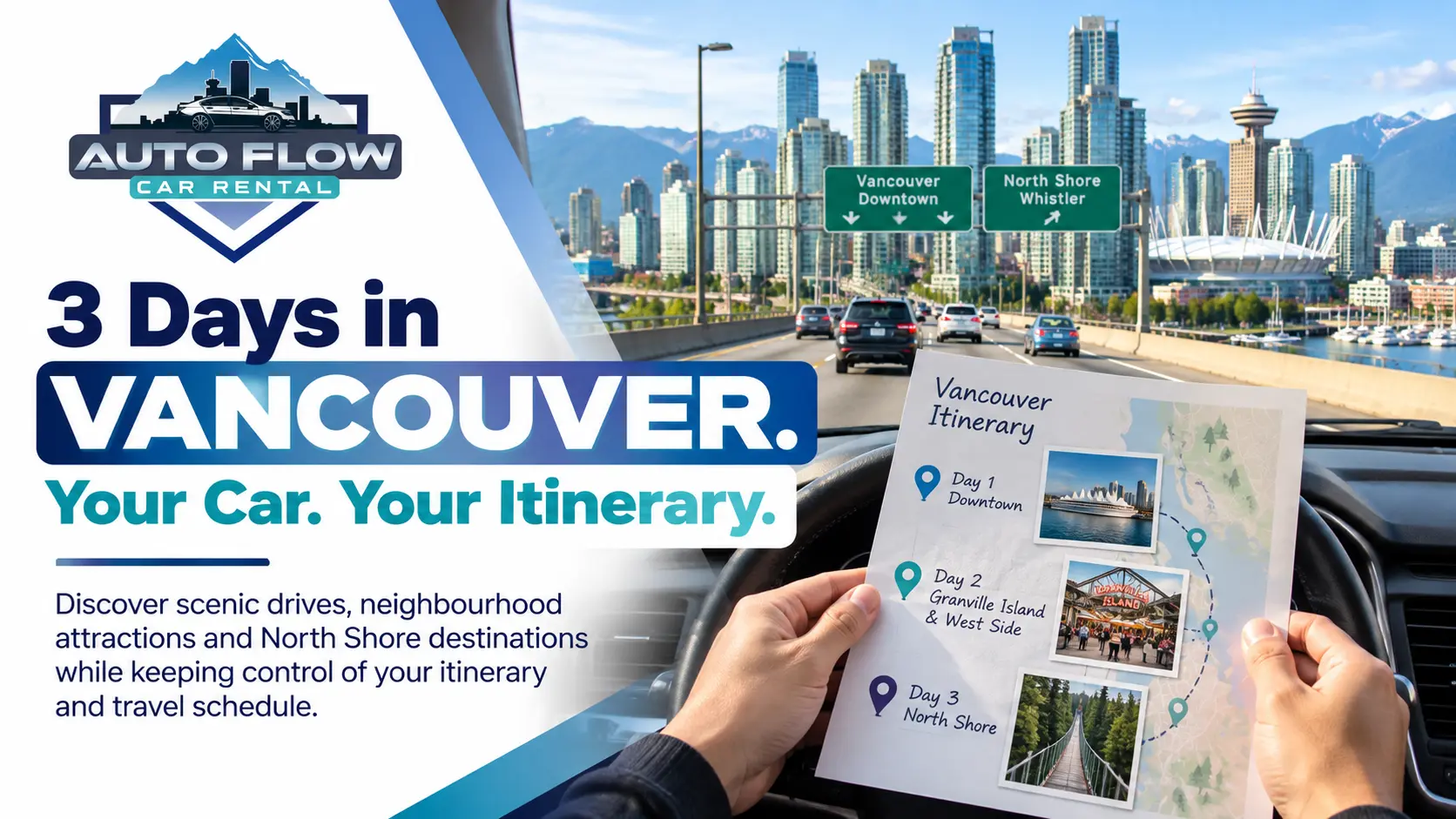
You can plan a multi-stop Vancouver vacation by grouping nearby attractions, setting realistic driving times and using a rental car to reach places outside the downtown core. Booking a vehicle from a car rental agency such as the AutoFlow Car Rental gives you more control over departure times, meal breaks and detours, which helps when your itinerary includes Stanley Park, Granville Island, Lynn Canyon, and destinations along the Sea-to-Sky Highway. With a little advance planning, you can visit more of Metro Vancouver at your own pace without following a group tour schedule.
Divide Vancouver Into Geographic Zones
The easiest way to plan a multi-stop vacation is to organize attractions by neighbourhood or geographic area. Vancouver has several distinct areas worth visiting, but crossing the city repeatedly can eat into your sightseeing time. Start by grouping your destinations into zones:
| Area | Places to Visit | Suggested Time |
| Downtown and Coal Harbour | Canada Place, Vancouver Convention Centre and the Vancouver Seawall | 2–3 hours |
| Stanley Park and English Bay | Prospect Point, Brockton Point and English Bay Beach | 3–4 hours |
| Granville Island and False Creek | Granville Island Public Market, False Creek waterfront and Olympic Village | 2–4 hours |
| Kitsilano and Point Grey | Kitsilano Beach, Jericho Beach and the Museum of Anthropology | 3–5 hours |
| North Shore | Capilano Suspension Bridge Park, Lynn Canyon Park and Lonsdale Quay | 4–6 hours |
These estimates allow time for sightseeing, food and short walks. Add extra time if you plan to visit museums, join guided activities or spend an afternoon at the beach.
Planning tip: Pick two or three main stops per half-day. Add nearby attractions as optional stops, not fixed appointments. This gives you room to stay longer at places you enjoy without disrupting the rest of your itinerary.
Build Your Itinerary Around Travel Time
A map can make Vancouver look compact, but travel times vary with traffic, bridge congestion, parking availability, and seasonal visitor numbers. Your itinerary should account for the time spent getting between attractions, not just the distance between them.
Here’s a practical three-day plan that you might want to consider:
Day 1: Downtown Vancouver
- Morning: Canada Place and the Vancouver Convention Centre.
- Midday: Stanley Park, including Brockton Point and Prospect Point.
- Afternoon: English Bay Beach and dinner near Davie Street.
Day 2: Waterfront and West Side
- Morning: Granville Island Public Market.
- Afternoon: Kitsilano Beach and the Museum of Anthropology at UBC.
- Evening: Dinner in Kitsilano or a return to downtown.
Day 3: North Shore
- Morning: Lynn Canyon Park and its suspension bridge.
- Afternoon: Lonsdale Quay Market in North Vancouver.
- Optional stop: Capilano Suspension Bridge Park, if you have enough time and budget.
Decide When Renting a Car Makes Sense
While public transit works well for many central Vancouver attractions, renting a car gives you more flexibility to explore Vancouver’s neighbourhoods, visit attractions outside the downtown core and plan several stops in one day
The SkyTrain connects downtown with several major areas, and buses serve neighbourhoods that aren’t covered by rail. But with a car rental, you can set your own departure times, carry your belongings between destinations, and adjust your route without coordinating multiple transit connections.
A rental car can be especially helpful for:
- Multi-stop sightseeing: Visit several attractions in different neighbourhoods without planning each leg around transit schedules.
- Outdoor day trips: Reach North Shore parks or drive along the Sea-to-Sky Highway towards Squamish and Whistler.
- Flexible travel plans: Spend extra time at a beach, stop for lunch or add a scenic viewpoint along your route.
- Group travel: Share transportation costs with your travel companions and carry luggage or outdoor gear more conveniently.
British Columbia recorded 5.25 million international visitors and has 442 car-rental establishments, which reflects the scale of visitor travel and rental infrastructure across the province.
Choose a Convenient Pickup and Return Plan
Your rental arrangements should fit your arrival and departure plans. If you’re flying into Vancouver International Airport (YVR), check if your chosen provider operates at the airport or requires you to travel to another pickup location.
Before confirming your booking, check:
- Pickup location: Confirm the exact address and how you’ll get there from YVR or your accommodation.
- Operating hours: Match pickup and return times to your flight schedule.
- Vehicle capacity: Choose enough room for passengers, luggage and any outdoor equipment.
- Fuel policy: Check whether you must return the vehicle with a full tank.
- Rental protection: Review included coverage, deductibles and any exclusions.
- Return logistics: Allow time to refuel, return the vehicle and reach your terminal.
Plan Parking Before You Reach Each Attraction
Parking can affect how many stops you manage in a day. Research parking before you leave your accommodation, especially on summer weekends and public holidays.
- Stanley Park: Check parking rules and fees near Prospect Point or Brockton Point. Choose a spot near your first activity to avoid unnecessary driving.
- Gastown: If you’re visiting the historic district for its shops, restaurants, and Steam Clock, check nearby paid parking options. Streets can be busy, so allow time to find a suitable space.
- Queen Elizabeth Park: Check parking options near the Bloedel Conservatory and Quarry Garden. Visiting both attractions in one trip can make this a worthwhile stop on your Vancouver itinerary.
- VanDusen Botanical Garden: Look into parking near the garden entrance if you’re adding its themed gardens and walking paths to your route.
- Lynn Canyon Park: Review current parking information and trail access before setting out. Allow time to walk between the parking area and your chosen trail.
- Capilano Suspension Bridge Park: Check current parking arrangements and admission details before adding the attraction to your North Shore itinerary.
- Richmond’s Steveston Village: If you have time to explore beyond Vancouver, check parking near the historic fishing village, waterfront and Gulf of Georgia Cannery.
Leave Room for Spontaneous Stops
One advantage of independent travel is the ability to adjust your plans as the day unfolds. You might find a café worth visiting in Mount Pleasant, decide to spend another hour along the seawall or discover that a trail needs more time than expected.
Build flexibility into your schedule by separating fixed plans from optional stops.
Fixed plans
- Timed attraction tickets or reservations.
- A scheduled ferry or other transport connection.
- Activities with limited entry windows.
Flexible plans
- Coffee breaks and casual meals.
- Neighbourhood walks.
- Scenic viewpoints and waterfront stops.
- Extra time at beaches or public markets.
Prepare for Vancouver’s Local Driving Conditions
A self-drive vacation requires more than choosing destinations. Before driving, review your route and check current road conditions. Here are a few practical reminders:
- Check for bike lanes and cyclists before turning or opening a vehicle door.
- Read street parking signs carefully, including time limits and permit restrictions.
- Allow extra time for bridge crossings during commuter periods.
- Check weather conditions before heading to mountain or forest destinations.
- Carry suitable footwear and water if your itinerary includes trails at Lynn Canyon or other outdoor sites.
- Confirm that your driver’s licence and rental documents meet the provider’s requirements.
Tip: If your itinerary includes both downtown sightseeing and day trips, plan the longer drives outside peak commuting periods when your schedule allows. You won’t eliminate traffic, but you can avoid adding unnecessary pressure to the day.
Plan Your Vacation Right & Rent a Car
A successful multi-stop Vancouver vacation comes down to a sensible route, realistic travel times, and a budget that accounts for the full cost of getting around. Group nearby attractions together, plan parking before departure, and leave enough flexibility to change course when a stop takes longer than expected.
If your plans include destinations across Metro Vancouver or a drive beyond the city, you’d better rent a vehicle at AutoFlow Car Rental as you finalize your itinerary. The right vehicle and pickup arrangement can make independent sightseeing easier to organize.
Frequently Asked Questions
Is a rental car practical for visiting downtown Vancouver and the North Shore on the same day?
Yes, but plan for bridge traffic, parking, and time at each attraction. Downtown stops such as Canada Place and Stanley Park can fill much of a day on their own. If you add Lynn Canyon or Capilano Suspension Bridge Park, allow several additional hours and check current opening times and parking arrangements. For a less rushed trip, dedicate one day to downtown and another to the North Shore.
Should you rent a car at YVR or collect it later in the city?
That depends on your arrival time, accommodation location, and planned destinations. Airport pickup can be convenient if you’re driving outside Vancouver immediately, but an off-airport provider may require additional transfer time. If your first day focuses on downtown attractions, public transit may be more practical until you begin your day trips. Compare the total cost, pickup hours and return logistics before choosing.
How much extra time should you allow for a self-drive day trip from Vancouver to Squamish or Whistler?
Use current route estimates as a starting point, then add time for traffic, construction, weather and stops along the Sea-to-Sky Highway. Squamish is a reasonable day-trip destination, while Whistler generally requires a longer day if you want time for activities after the drive. Check road conditions before leaving, plan fuel and meal stops, and avoid scheduling several time-sensitive activities around a single estimated arrival time.